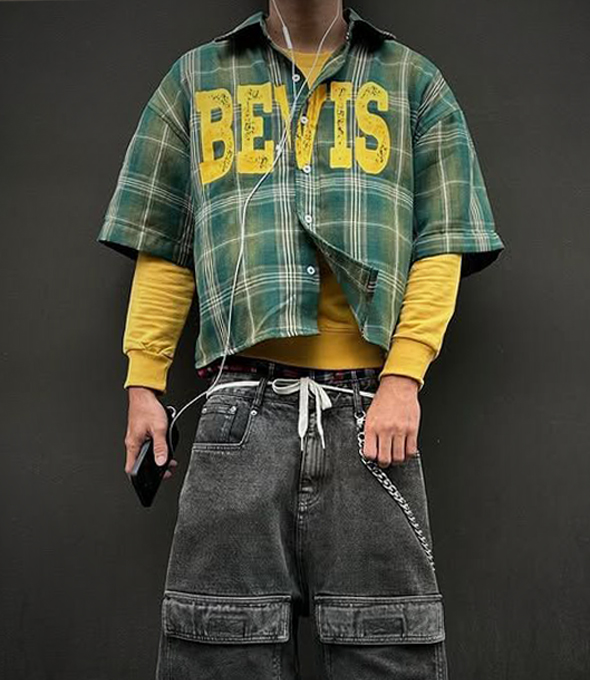
How can brands build a full pants program from one successful baggy jeans style?
Streetwear consumers may not talk about shrinkage rates, fabric GSM, or pattern grading. But they absolutely know when a pair of pants stacks perfectly over their sneakers, when the wash feels authentic instead of mass-produced, and when a silhouette holds its shape after a month of wear. The baggy jeans trend has dominated the streets, pushing independent brands with real traction to reconsider their entire bottom-wear strategy. The problem is, turning one hit denim piece into a comprehensive pants program is where the real challenge begins — and where most brands quietly stumble.
For fashion labels with an active customer base, bottom-wear is often the hardest category to scale. A successful baggy jean proves that your audience connects with your visual identity and silhouette choices. But transitioning that success into cargo pants, wide-leg sweatpants, or washed denim shorts requires a deeper understanding of how different fabrics behave, how fits translate across categories, and why your manufacturing approach must evolve. The jump from a single viral item to a full collection demands more than basic cut-and-sew execution — it requires a premium streetwear manufacturer capable of translating cultural references into repeatable, consistent bulk production.
Why is bottom-wear the hardest category to scale for streetwear brands?
Scaling bottom-wear is notoriously difficult because pants require precise pattern engineering, complex fabric behavior management, and strict size grading across different materials. Unlike hoodies or tees, pants must accommodate a wider range of body movements and proportions while maintaining a specific streetwear silhouette — such as the perfect stacking effect over footwear — which demands a higher level of technical execution at every stage of production.
When established streetwear brands attempt to expand their pants program, they often encounter a harsh reality: a pattern that works perfectly for heavy denim will not drape the same way when cut from French terry or nylon. The complexity lies in the intersection of fit, fabric, and finish. A baggy jean relies on the rigid structure of 14oz denim to create its signature volume. If a design team tries to apply that exact same pattern to a wide-leg sweatpant, the result is often a shapeless, unflattering garment that completely loses the intended aesthetic.
Bottom-wear production also involves intricate construction details that are unforgiving of errors. Elements like the rise (the distance from the crotch seam to the waistband), the inseam length, and the knee width must be meticulously calculated. In streetwear, where the "stack" at the ankle is a critical design feature, even a half-inch deviation in bulk production can ruin the intended look. This is why working with a specialized streetwear factory is crucial — they understand that translating a hit baggy jean into a full program requires re-engineering the block for each specific fabric, rather than simply copying the measurements from one category to another.
How does fabric selection dictate the success of a streetwear pants program?
Fabric selection dictates success because the material's weight, drape, and shrinkage characteristics directly control the final silhouette. A cohesive pants program requires selecting fabrics that can hold the intended shape — whether it's rigid denim for baggy jeans or heavy fleece for structured sweatpants — while surviving aggressive wash treatments without losing structural integrity.
The transition from one successful baggy jean to a full pants program often starts with fabric sourcing. Streetwear brands with proven sales understand that consumers are becoming increasingly sophisticated about fabric hand-feel. A vintage wash streetwear manufacturer knows that the raw material must be robust enough to withstand intensive finishing processes. Achieving a genuine Y2K faded look on denim or cargo pants often involves enzyme washes, stone washing, or pigment dyeing. If the base fabric is too light or of inconsistent quality, these treatments will destroy the garment's structural integrity, leading to severe shrinkage or tearing during bulk production.
Consider the development of cargo pants as an extension of a baggy jeans line. While denim provides natural structure, cargo pants often utilize cotton twill or ripstop. These fabrics drape differently and shrink at different rates. A common supply chain reality is the sample-to-bulk mismatch: a brand approves a perfect pre-production sample, but the bulk run arrives with a completely different fit because the factory did not account for the specific shrinkage rate of the bulk fabric lot. A premium streetwear production partner mitigates this risk by conducting rigorous fabric testing — including wash shrinkage tests and hand-feel assessments — and adjusting the patterns before any bulk cutting begins.
The following table illustrates how different fabric types commonly used in a full pants program behave under standard wash and production conditions:
Fabric Type
Typical GSM Range
Shrinkage Risk
Best Used For
Key Production Challenge
Heavy Denim (14oz+)
420–500 gsm
Medium
Baggy jeans, distressed denim
Wash consistency, inseam stability
Cotton Twill
280–380 gsm
Medium-High
Cargo pants, wide-leg trousers
Pocket placement, seam puckering
Heavy Fleece / French Terry
300–450 gsm
High
Sweatpants, trackpants
Grading accuracy, waistband tension
Ripstop Nylon
120–200 gsm
Low
Techwear-inspired pants, shorts
Seam reinforcement, trim compatibility
Canvas / Duck Cloth
350–500 gsm
Medium
Utility pants, workwear-inspired
Stiffness management, wash softening
What makes a washed denim or cargo pant feel premium instead of basic?
A washed pant feels premium when the fading, distressing, and texture appear natural and intentional, rather than uniform and machine-stamped. Premium execution requires advanced techniques like localized enzyme washing, hand-sanding, and pigment dyeing, which create depth and character that basic mass-production methods cannot replicate at scale.
In the current streetwear landscape, the finish is just as important as the fit. Consumers influenced by vintage, skate, and hip-hop cultures are looking for garments that feel lived-in and authentic. When expanding a pants program, fashion labels must recognize that basic wash techniques often result in a flat, one-dimensional appearance that immediately reads as mass-market.
Creating a premium acid wash denim or a faded vintage cargo pant is a genuinely multi-step process. It might start with a base dye, followed by an enzyme wash to soften the fabric, and then localized hand-sanding to create natural wear patterns at the knees and pockets. This level of detail is difficult to achieve consistently at scale. Batch-level variation is a significant procurement risk — the wash that looked perfect on the sample might look completely different across 500 units if the factory doesn't have strict wash control protocols in place. This is where the expertise of anOEM streetwear manufacturerbecomes invaluable. They implement documented wash control procedures, ensuring that the visual identity of the brand is maintained across the entire production run, rather than producing garments that look inconsistent or fail to meet the premium standard the brand has built.
Why must the fit block be re-engineered when moving from jeans to sweatpants?
The fit block must be re-engineered because different fabrics have vastly different stretch, drape, and recovery properties. A rigid denim pattern applied to heavy fleece will result in a distorted silhouette, requiring a specialized streetwear apparel manufacturer to adjust the grading, rise, and inseam to achieve the same visual volume and proportion in a knit fabric.
One of the most common mistakes brands make when building a full pants program is assuming that a successful baggy jeans pattern can simply be transferred to a wide-leg sweatpant or a mesh short. This is a fundamental misunderstanding of garment construction. Denim is a woven fabric with minimal stretch, while sweatpants are made from knit fabrics like French terry or heavy fleece, which have significant give and drape. The way each fabric interacts with the body is completely different.
When a brand with proven market demand decides to introduce heavyweight sweatpants to complement their baggy jeans, the design team must work closely with their manufacturing partner from the very beginning. The rise might need to be adjusted to prevent the heavier knit fabric from sagging uncomfortably at the seat. The grading rules — how the pattern scales from size Small to XXL — must also be recalculated, as knit fabrics scale differently than wovens. If the goal is to maintain the signature oversized, stacked aesthetic of the original baggy jean, the streetwear clothing manufacturer must engineer the sweatpant pattern to hold volume without looking sloppy or unstructured. This technical capability is what separates premium streetwear production from basic apparel sourcing.
How do construction details and trims impact the final streetwear aesthetic?
Construction details and trims — such as heavy-duty zippers, custom rivets, reinforced stitching, and specialized pocket placements — elevate the garment from a basic item to a premium streetwear piece. These elements not only ensure durability but also reinforce the brand's visual identity and justify a higher retail price point in a competitive market.
As brands expand their pants program, the complexity of construction increases significantly. A basic five-pocket jean is relatively straightforward, but introducing cargo pants, trackpants, or complex cut-and-sew designs requires a higher level of technical execution. For streetwear brands with established sales channels, the details matter immensely. Consumers notice when a brand uses a flimsy zipper or when the pocket flaps curl up after one wash — and they talk about it.
Consider a multi-pocket cargo pant inspired by Y2K aesthetics. The placement of the pockets must be precisely calculated not just for visual balance, but also for functionality and structural integrity. If the pockets are placed too low, they will pull the pant down and ruin the silhouette. Furthermore, the use of premium trims — such as custom-molded buttons, branded drawstrings, or heavy-duty YKK hardware — adds crucial tactile value that consumers feel immediately. A specialized cut-and-sew streetwear factory will focus heavily on these details during the tech pack review and sampling phases. They understand that trim substitution — swapping out approved hardware for a lower-grade alternative without brand approval — or poor stitching, like failing to use bartacks at stress points, can completely destroy the credibility of a premium product.
How do brands manage the transition from sampling to bulk production in a full pants program?
Brands manage the transition from sampling to bulk production by implementing strict tech pack reviews, demanding pre-production (PP) samples for every size and fabric variation, and conducting rigorous wash and shrinkage testing before cutting bulk fabric. This controlled process minimizes the risk of batch-level variation and ensures the final product matches the approved sample.
The transition from a single sample to a bulk run of 500 or more units is where many pants programs fail. A common scenario for fashion labels is receiving a flawless pre-production sample of a baggy jean or cargo pant, only to find that the bulk order has inconsistent inseams, varied wash intensities, or hardware that fails under stress. This sample-to-bulk mismatch is a critical supply chain reality that can damage a brand's reputation and bottom line simultaneously.
To mitigate these risks, established streetwear brands rely heavily on their streetwear manufacturing partner to enforce rigorous quality control protocols. The process begins with a comprehensive tech pack review. Every detail — from the exact placement of the knee darts on a cargo pant to the specific Pantone shade of the pocket lining — must be documented and agreed upon before sampling begins. Before bulk cutting starts, a premium apparel manufacturer for streetwear brands will produce a full size run of pre-production samples. This step is crucial because a pattern that looks perfect in a size Medium might distort significantly when graded up to an XXL, especially in complex silhouettes like wide-leg sweatpants or flared denim.
Wash testing is also a mandatory step in the sample-to-bulk transition. When working with acid wash clothing manufacturers or vintage wash streetwear manufacturers, brands must understand that wash treatments affect bulk fabric differently than sample yardage. A specialized streetwear factory will run test washes on the actual bulk fabric lot to determine the exact shrinkage rate and color fastness before any cutting happens. Only after these tests are approved should the bulk fabric be cut and production begin. This level of diligence is what separates true premium streetwear production from basic apparel sourcing.
What role does graphic placement play in modern streetwear bottom-wear?
Graphic placement in modern streetwear bottom-wear plays a crucial role in defining the garment's visual identity, requiring precise engineering to ensure that prints or embroideries align correctly across different sizes and don't distort when the fabric stretches or drapes. Incorrect placement can immediately undermine the premium quality of an otherwise well-constructed product.
While tees and hoodies are the traditional canvases for streetwear graphics, bottom-wear has increasingly become a focal point for visual expression. From oversized screen prints down the leg of a sweatpant to intricate embroidery patches on vintage denim, the application of graphics on pants requires a high degree of technical skill. For creator-led streetwear brands with established audiences, these visual elements are often the key differentiators that drive repeat purchases.
Placing graphics on pants is inherently more complex than on a flat t-shirt. A graphic streetwear manufacturer must account for the curvature of the leg, the placement of seams, and the drape of the fabric. A large puff print on the thigh of a heavyweight sweatpant might look perfect when the garment is laid flat, but if it's placed too close to the side seam, it will wrap awkwardly around the leg when worn. Similarly, applying an embroidery patch to a pair of baggy jeans requires careful consideration of the fabric's thickness — if the denim is too heavy, the embroidery machine might struggle, resulting in skipped stitches or puckering. Fashion labels looking for a closer look at how specialized streetwear production companies handle these multi-technique decoration challenges will find that the best operations treat graphic placement as a structural decision, not just a visual one.
How should fashion teams evaluate a streetwear production partner for a pants program?
Fashion teams should evaluate a streetwear production partner based on their technical capability to handle complex fabrics, their expertise in specialized washes and finishes, and their proven track record of maintaining consistent quality from sample to bulk production. A true production partner will proactively address potential construction issues during the tech pack review, not after bulk delivery.
Selecting the right manufacturing partner is arguably the most critical decision a brand makes when expanding its pants program. For procurement teams and product development teams, the evaluation process must go beyond simply comparing unit costs. A low-cost option might offer attractive pricing, but if they lack the expertise to execute a complex enzyme wash or correctly grade a wide-leg silhouette, the resulting product will ultimately damage the brand's credibility far more than the cost savings are worth.
When assessing a potential cut-and-sew streetwear factory, fashion teams should request examples of their previous work in similar categories. If a brand is developing a line of distressed denim, they should ask to see the factory's portfolio of vintage wash garments and examine the consistency of the wash, the quality of the distressing, and the durability of the hardware. Furthermore, the factory's communication and problem-solving skills are paramount. A premium streetwear manufacturing partner will not just blindly follow a tech pack — they will proactively identify potential issues, such as a fabric that is likely to shrink excessively or a pocket design that is structurally weak, and suggest viable solutions before sampling begins.
Ultimately, the goal is to build a long-term relationship with a manufacturer for streetwear clothing brands that understands the brand's aesthetic vision and possesses the technical infrastructure to bring it to life consistently. This collaborative approach ensures that as the brand continues to grow and introduce new styles — from heavy cotton tracksuits to complex cut-and-sew shorts — the manufacturing partner can scale their capabilities to meet the evolving demands of the market. For brands evaluating China-based options,Groovecoloroffers a useful reference point for what premium custom streetwear manufacturing looks like in practice, particularly for brands transitioning from a single validated style into a full category program.
The Bottom Line
Transforming a single successful baggy jeans style into a comprehensive pants program is a true test of a brand's operational maturity. It requires moving beyond basic sourcing and engaging deeply with product development, fabric science, and manufacturing realities. Streetwear consumers are highly attuned to the nuances of silhouette, wash texture, and construction quality. They will quickly notice if a brand's cargo pants or sweatpants fail to deliver the same premium feel as their flagship denim.
For established streetwear brands, the key to successful expansion lies in recognizing that each new category streetwear manufacturer — whether it's heavy fleece sweatpants, washed canvas cargos, or distressed denim shorts — requires its own specific engineering, testing, and manufacturing expertise. By partnering with anOEM streetwear manufacturerthat understands the culture and possesses the technical capability to execute complex designs at scale, brands can expand their bottom-wear offerings with confidence. This strategic approach ensures that every piece in the collection not only looks authentic but also performs consistently in bulk production, solidifying the brand's position in a market where the details are everything.
Comments on “Why do washed denim jeans need more production control than raw denim jeans?”